

Humanity Pact Alliance
A voice. A say. A shared future.
A voice in the decisions that shape our lives.
Too many decisions are made without the people most affected by them. Humanity Pact Alliance connects communities, researchers and decision-makers to advance dignity, justice and the conditions for a good life.Rooted in African and Afro-descendant perspectives, the Alliance connects communities and institutions across borders.
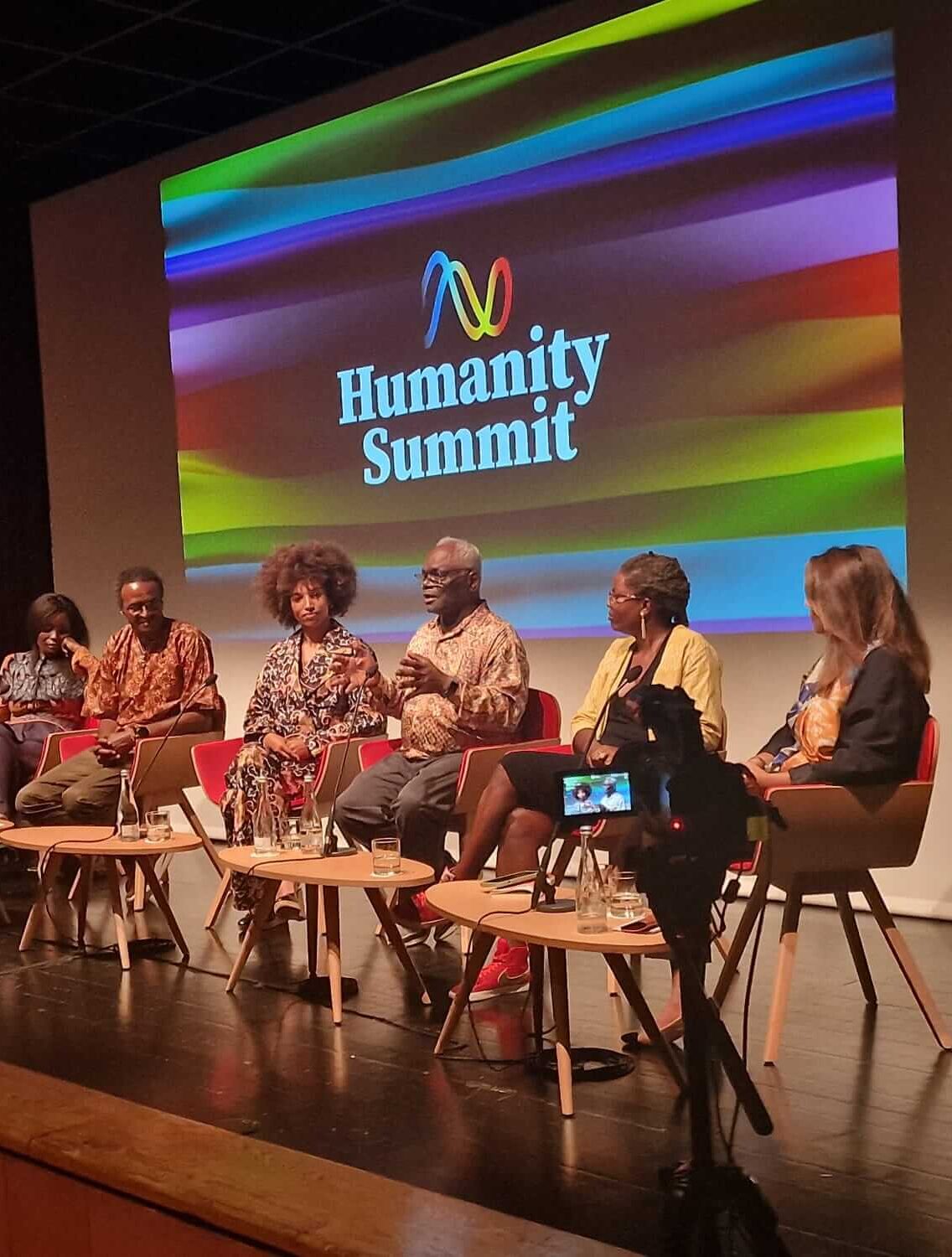
The people most affected by inequality, discrimination and climate disruption deserve a voice in the decisions that shape their lives.
We bring communities, research and decision-makers together to turn shared priorities into fairer policies and accountable action.
Global governance platform
Humanity Pact Alliance
Sets direction, coordinates programmes and oversees accountability.
Think Tank
Turn knowledge into policy.
Brings researchers, practitioners and communities together to develop policy proposals. Its work connects lived experience with evidence on justice, technology, well-being and the environment.
Humanity Summit
Bring people into the decisions.
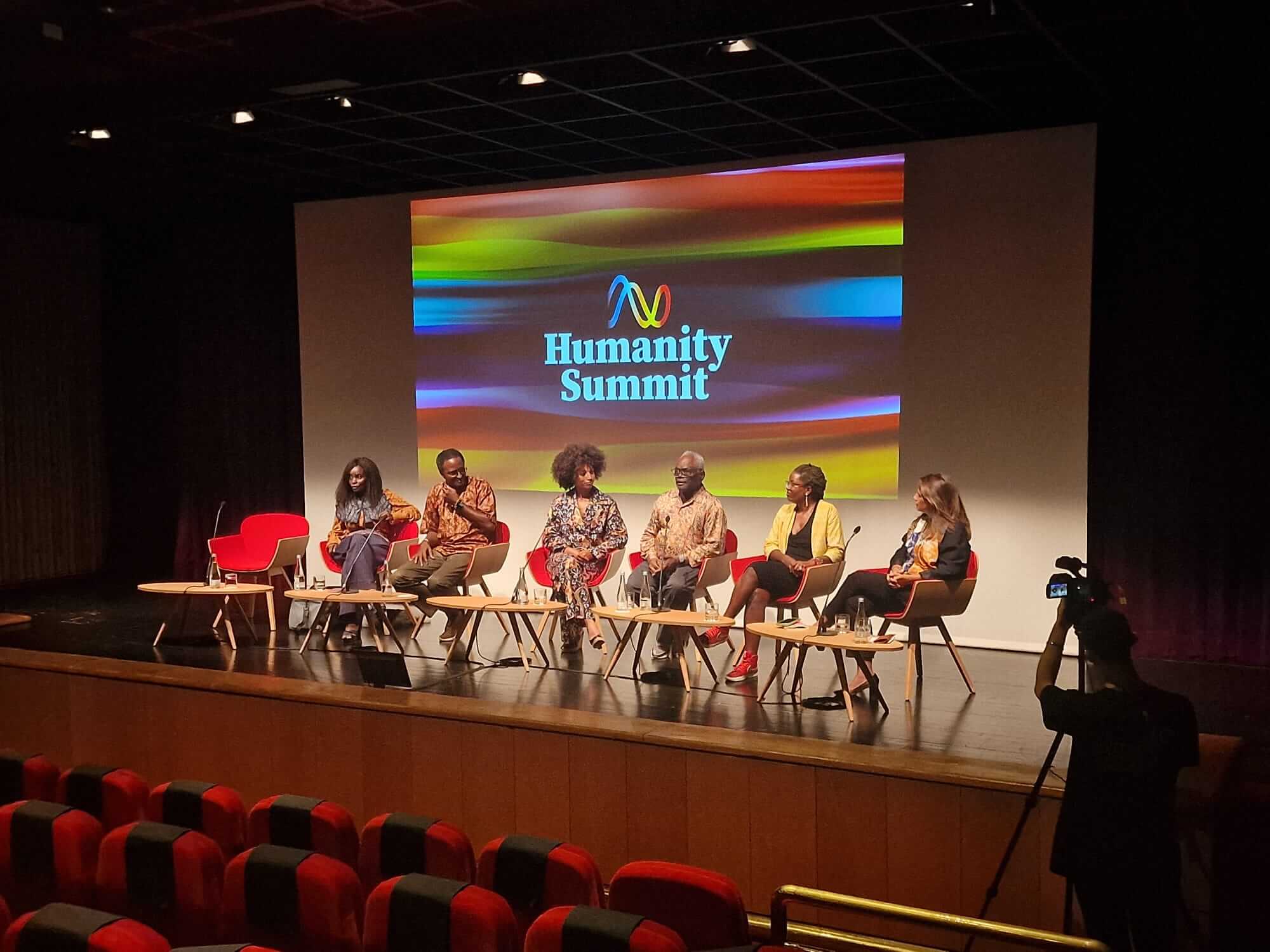
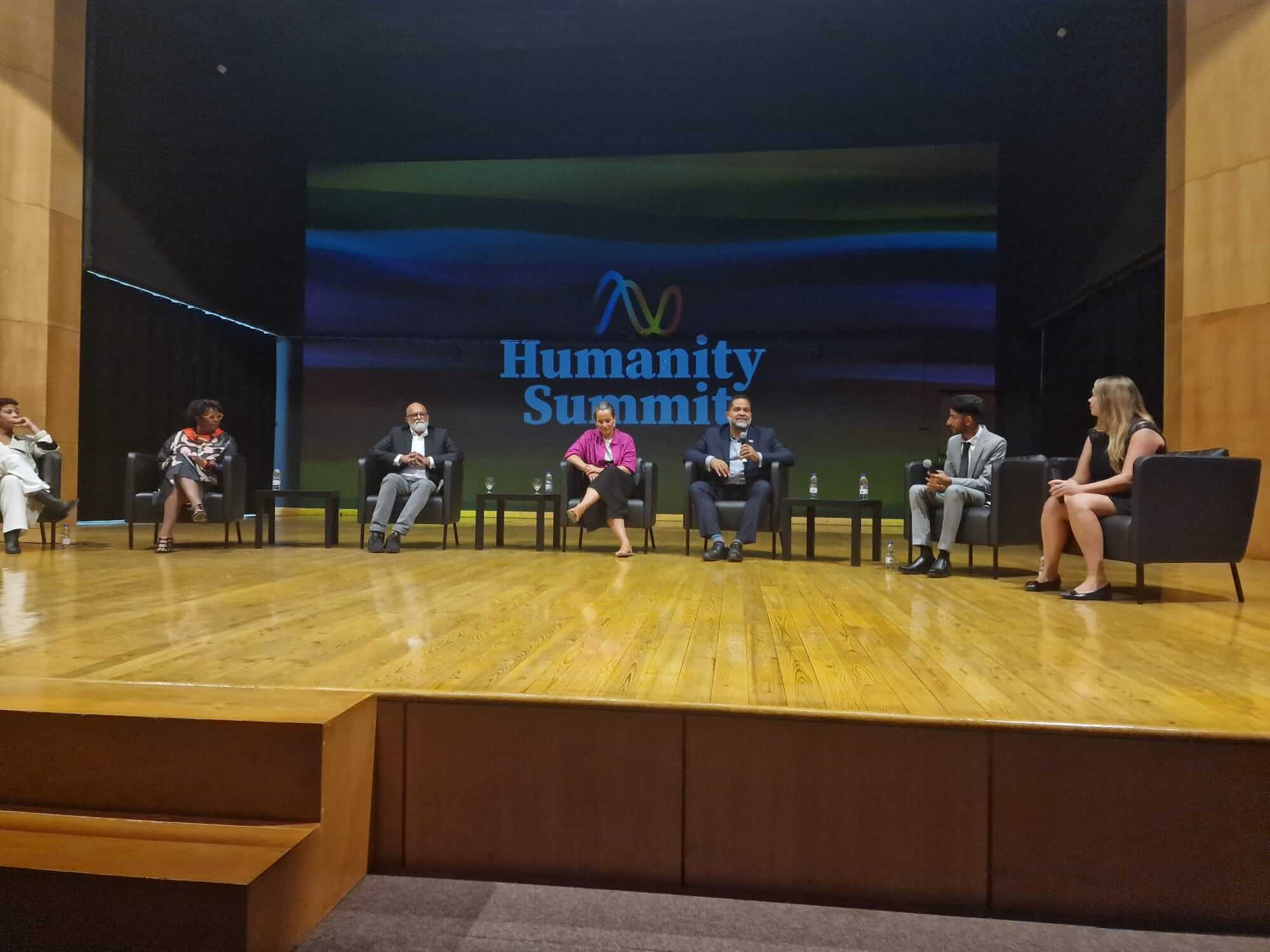
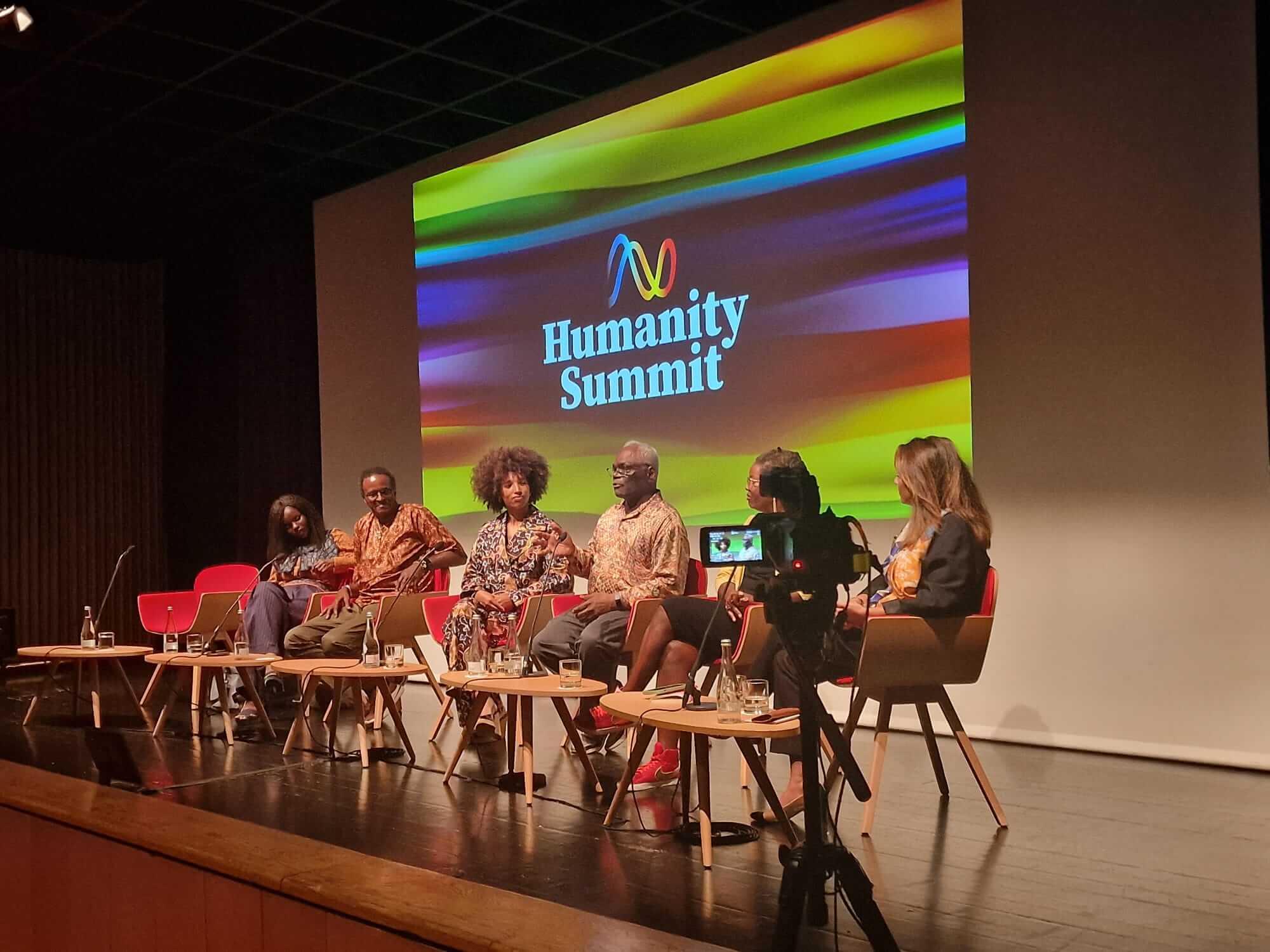
Creates a meeting place for communities, cultural leaders, researchers and decision-makers. Dialogue feeds into new collaborations and the shared priorities carried forward between gatherings.
Humanity Pact
Set a shared direction.
Provides the common framework for the work: six connected pillars that help translate dignity and justice into priorities for policy, institutions and collective action.
Humanity Summit
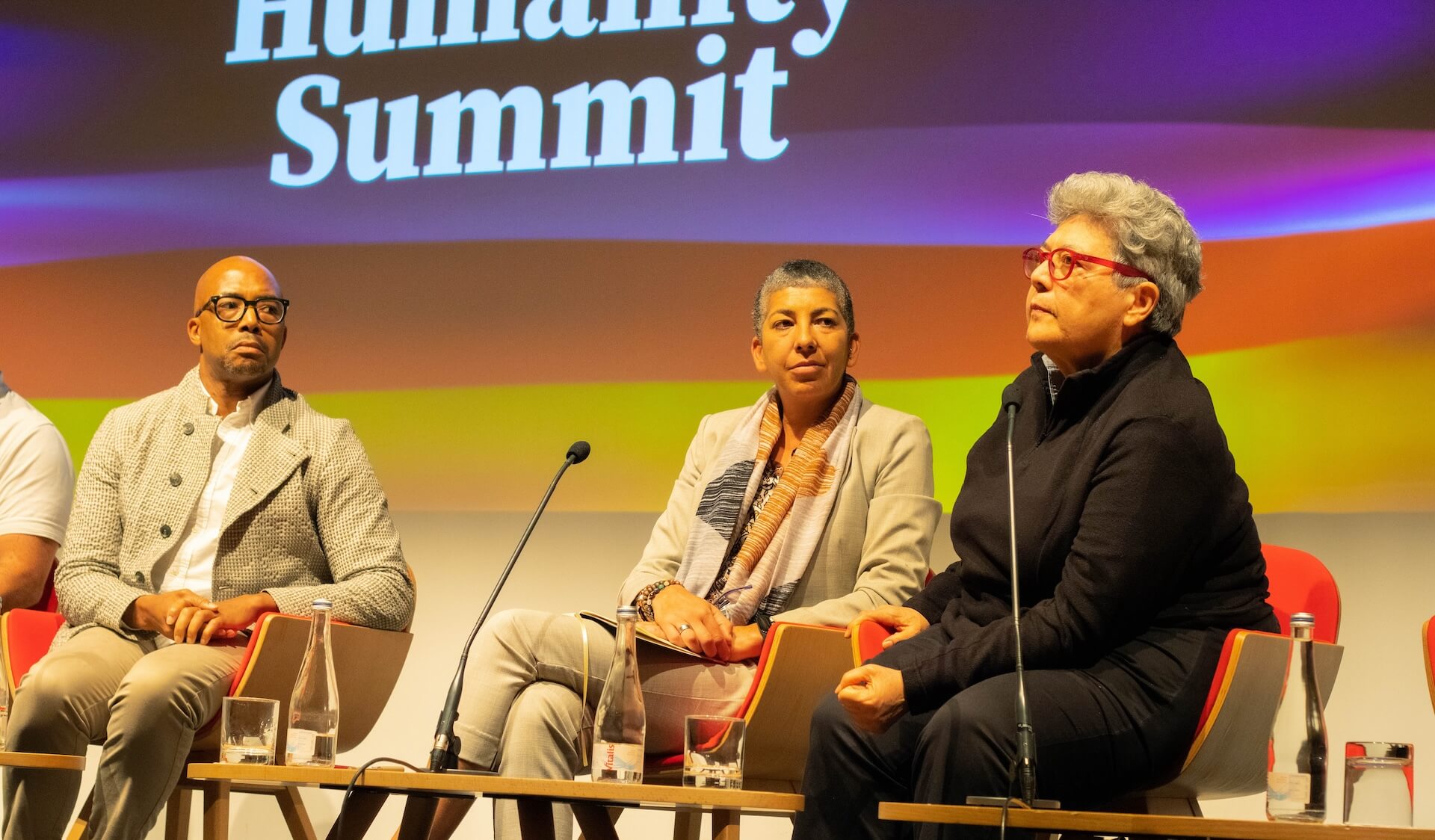
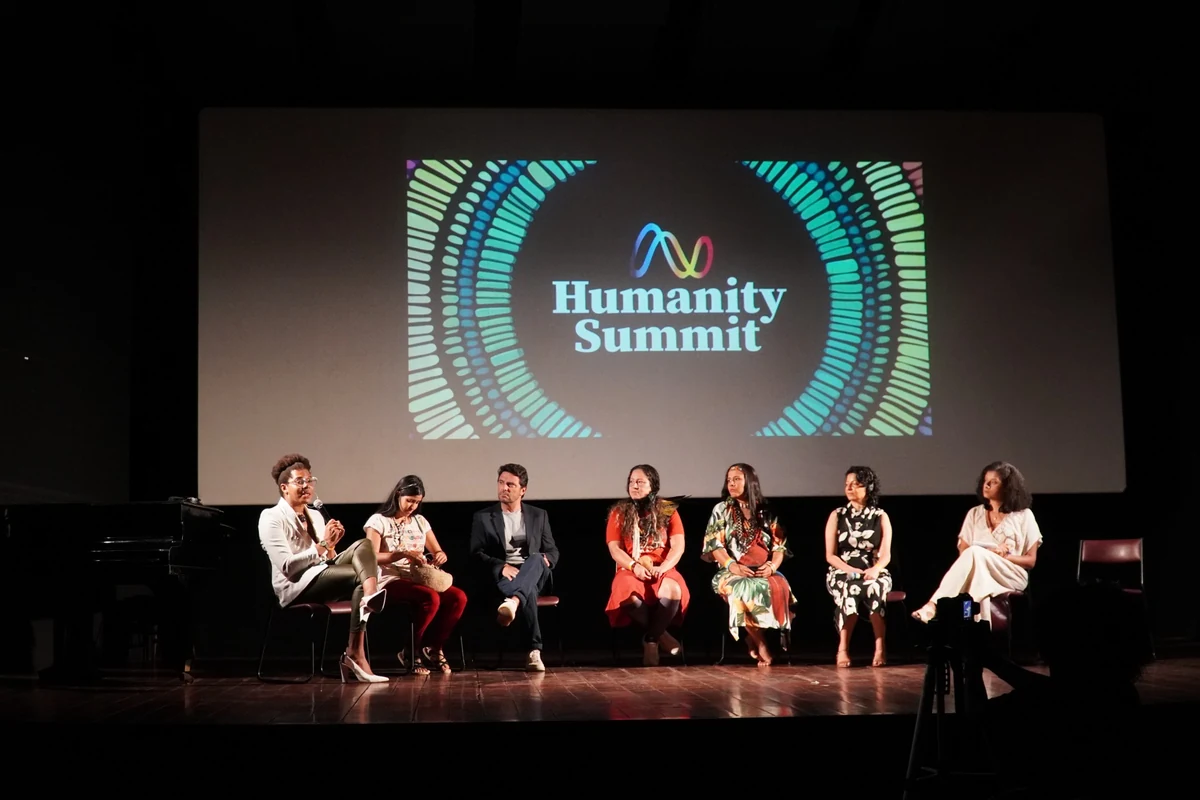
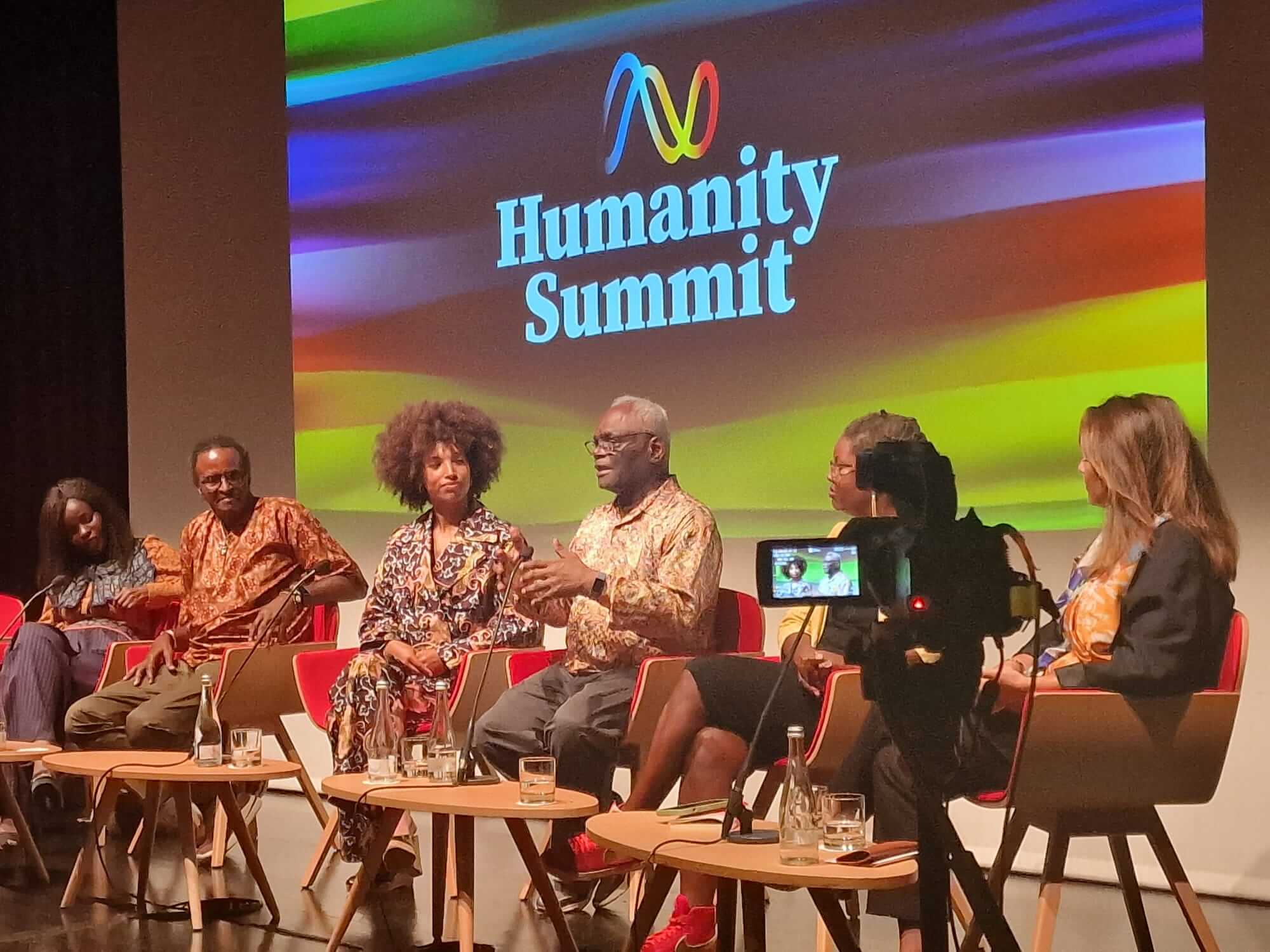
The flagship gathering of Humanity Pact Alliance. A meeting place for communities, cultural leaders, researchers and decision-makers to shape a shared future.
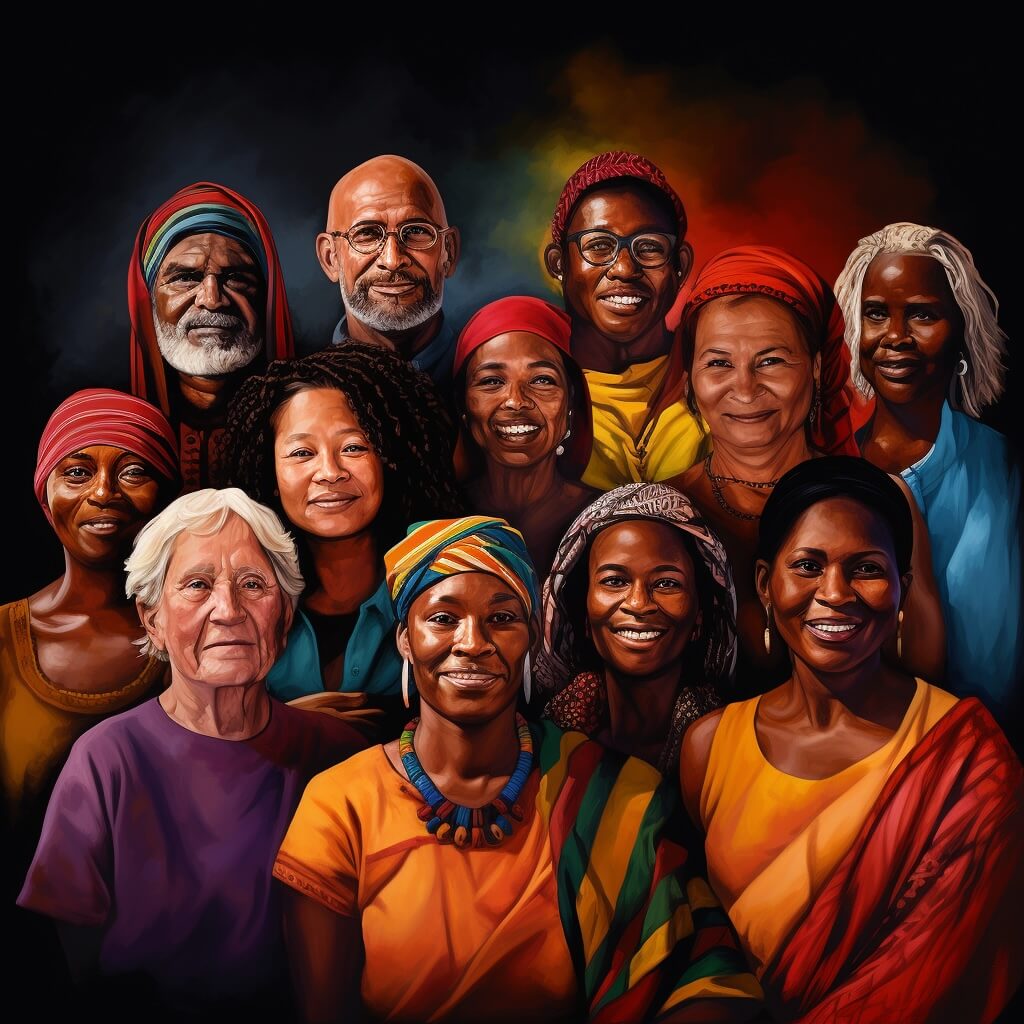
Dialogue & mobilisation
Bring people into the decisions.
Dialogue feeds into new collaborations and the shared priorities carried forward between gatherings. The Summit connects these conversations with the Alliance’s research and the Humanity Pact’s framework for action.
From gathering to shared work.
The Alliance builds on the Summit’s convening history and the Pact’s collaborative development. These records show what has been produced; future pilots will test how the framework works in practice.

Lisbon to Rio
Explore the gatherings, community conversations and public contributions that shaped the journey from the 2019 Summit to Rio in 2024.
Policy contributions
Four policy summaries from the G20 South Africa 2025 cycle connect measurement, hope, digital sovereignty and justice-centred finance. Available full texts are clearly identified.
The Humanity Pact
Co-creation involving contributors across 45 countries informs six connected priorities. Explore the framework, its current edition and the developing approach to measurement.
Six priorities. Clear intentions.
The six pillars connect rights, technology, culture, agency, economic opportunity and the conditions for a good life. They provide a shared lens for research and collaboration, rather than treating each challenge in isolation.
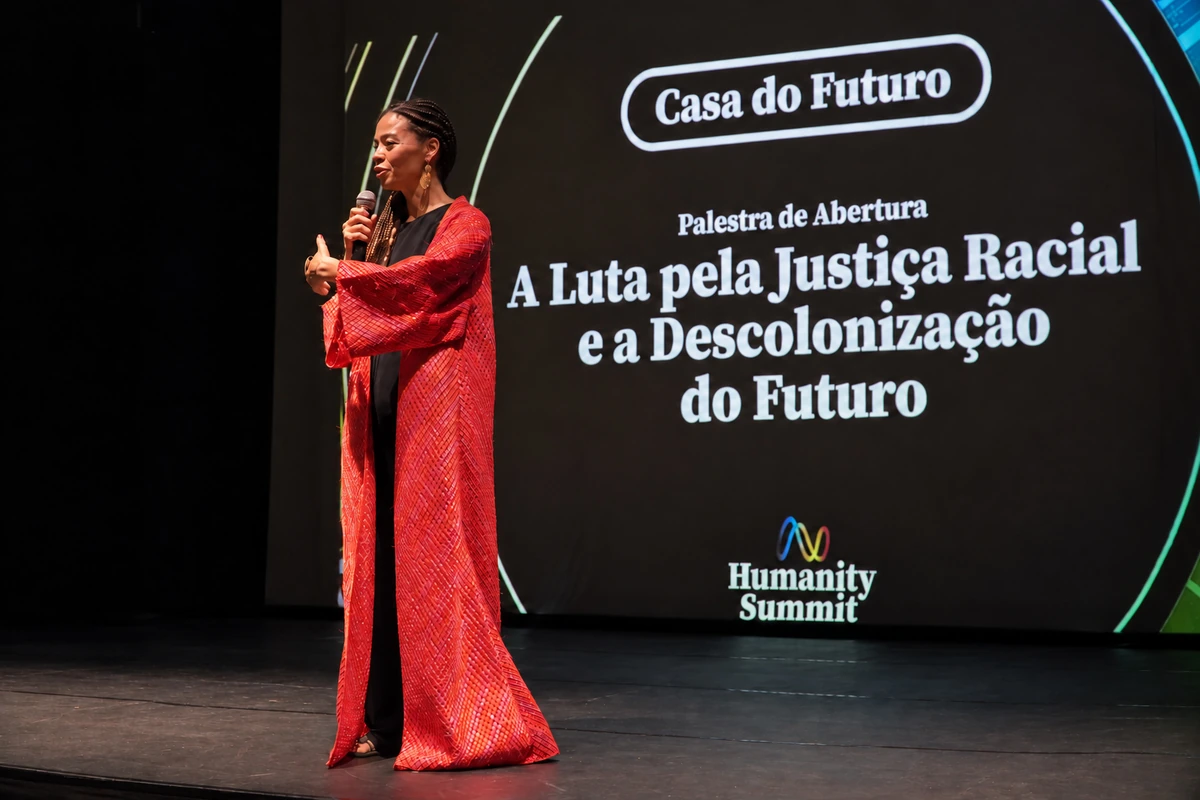
Justice
Protect rights. Require accountability.
Protect rights, confront discrimination and make institutions answerable for harm. This includes whose voices shape decisions and how institutions respond when rights are denied.
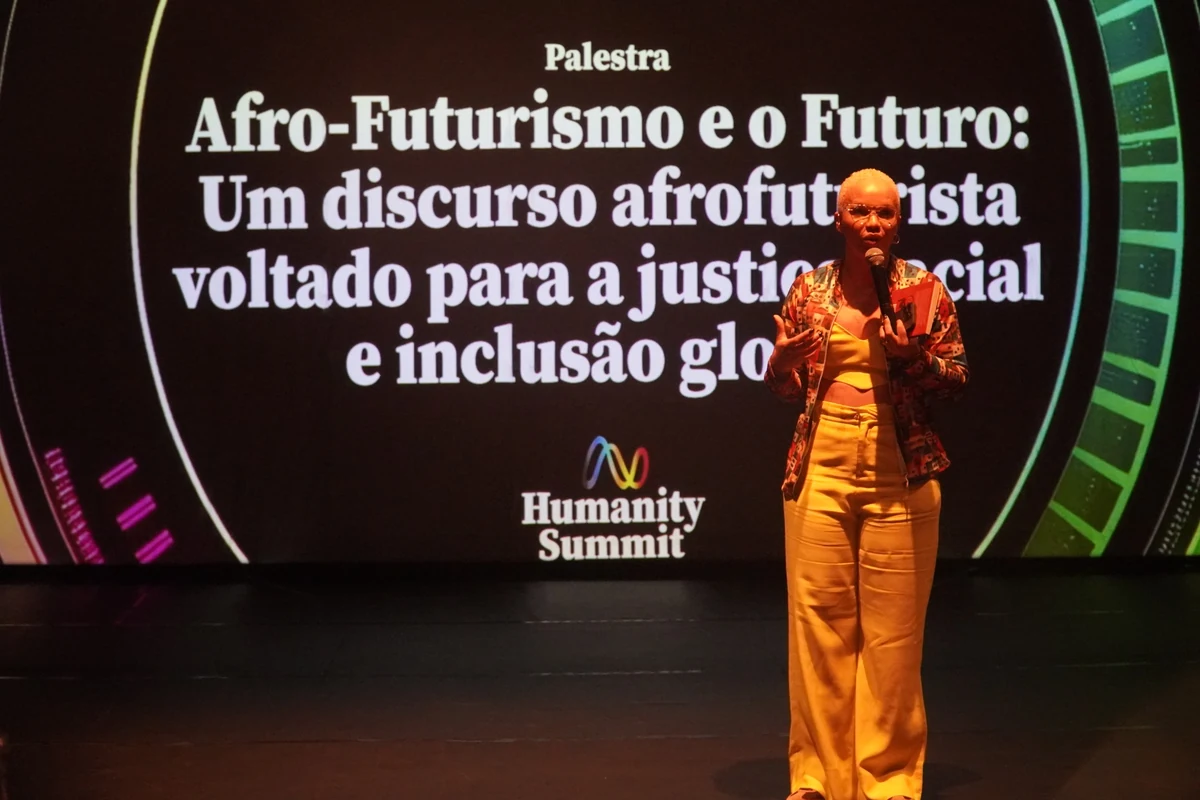
Futurism
Keep people in control.
Guide AI, science and emerging technology with human agency and future generations in mind. Ask who sets the rules, whose knowledge is recognised and who benefits from technological change.
Culture
Protect heritage. Share narrative power.
Protect cultural heritage and give diverse communities the power to shape their own narratives. Memory, creativity and diverse knowledge help communities define how they are represented.
Hope
Turn possibility into agency.
Expand people’s ability to influence decisions and build a better future. Hope becomes practical when people have credible pathways, resources and a voice in their future.
Economic Justice
Make prosperity shared.
Advance decent work, fair access to resources and investment that repairs inequality. Focus on who controls resources, who gains access to opportunity and how prosperity is distributed.
Well-being
Secure the conditions for life.
Improve access to health, care, education, housing and a healthy environment. Examine social and ecological conditions together, including the inequalities hidden by averages.
Across every pillar
Inclusion in every decision.
Measure what changes lives.

The Humanity Index asks who benefits from progress—and whose experience remains invisible. Its developing framework connects People, Well-being and Environment with Hope and Agency, helping users examine evidence gaps and the choices behind public outcomes.
Public demo · Illustrative data · Methodology in development.

Rights, inclusion, voice, representation, access and agency.
Health, care, security, learning, belonging and opportunity.
Climate resilience, biodiversity, liveability and ecological conditions.
Whether people can imagine, influence and participate in a better future.
See the Pact in practice.
What happens after a principle becomes a promise? Follow a fictional housing example from community priorities to evidence, an identified commitment owner and a review of progress. The demonstration explains how the Pact and Index can work together.
A public interactive demonstration. All organisations and figures in the example are fictional.

- 01
Listen to people
Who is affected, and who is missing?
- 02
Inspect the evidence
See definitions, gaps and whose experience is visible.
- 03
Make a commitment
Name the owner, baseline, target and next action.
- 04
Review and learn
Distinguish a claim from a checked result.
Participation needs protection.

People must be able to speak and organise safely. Humanity Protect explores practical guidance for civil society preparing a response to digital risks, reviewing material before sharing and documenting an incident.
This unaudited prototype requires authorised access. Use fictional information when exploring it.
Four questions. Open conversations.
Humanity Talks connects lived experience with research through four public conversations. Each is designed to produce an action note and questions for the Think Tank, building towards the 2027 Summit. Dates and speakers will be announced as confirmed.

Who Owns the Future?
AI, power and the right to decide.
Knowledge for Whom?
Universities, democracy and the public good.
Paradise for Whom?
Housing, tourism and the right to belong.
Can Hope Be Public Policy?
Turning human potential into real possibilities.
Exact dates, speakers and registration links will be published here with each event announcement. Registration is not yet open.
Research for public decisions.
Developed for the G20 South Africa 2025 cycle, these contributions examine how progress is measured, knowledge is governed and justice is financed. Explore the arguments and available original documents; contributions do not imply official adoption.
Humanity Index
Measuring progress through people, well-being, environment and hope
A connected framework for seeing who benefits from progress, where systems fail, and what public choices can change.
Measuring Hope
Hope and agency as public-policy outcomes
An approach to measuring whether people can imagine, influence and participate in the futures that affect them.
Digital Sovereignty
Epistemic pluralism in the governance of AI and data
A case for digital rules that protect communities, diverse knowledge systems and democratic power.
Justice as Efficiency
Humanity Bonds and Justice Credits
Financing instruments designed to reward prevention, repair and measurable improvements in human conditions.
Beyond the stage.
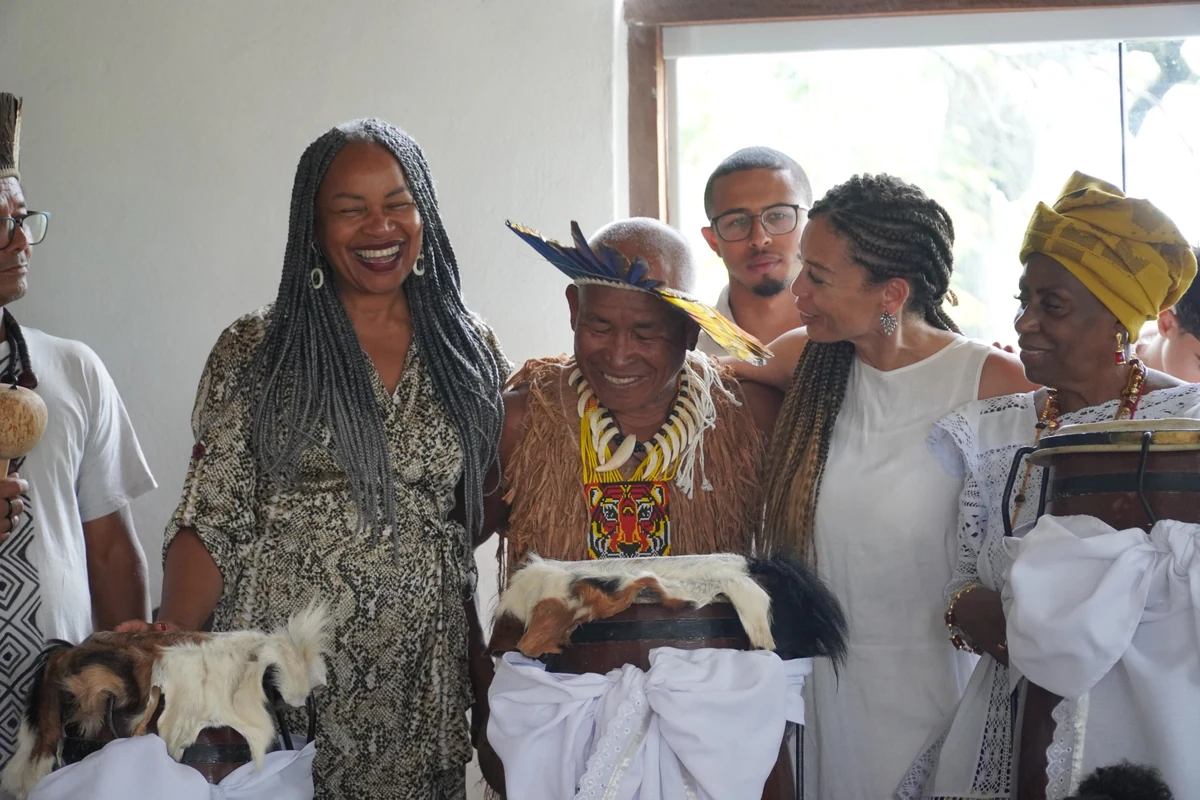
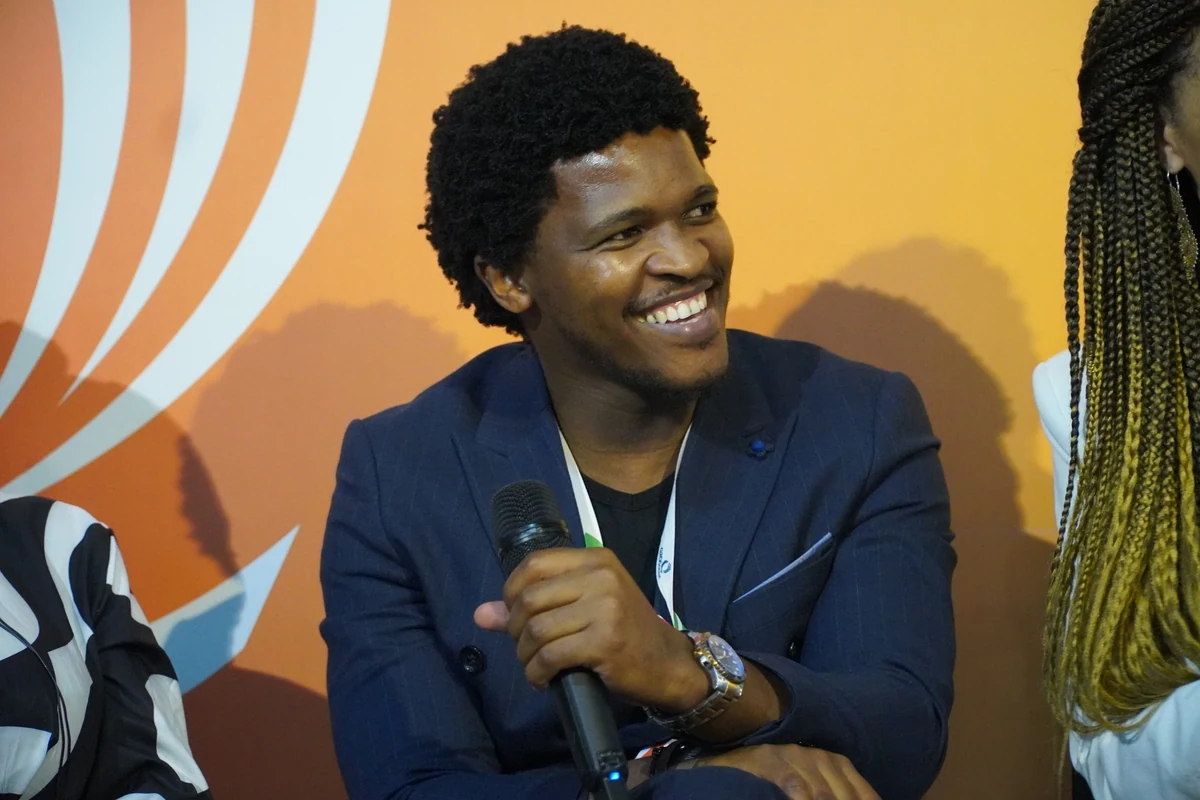
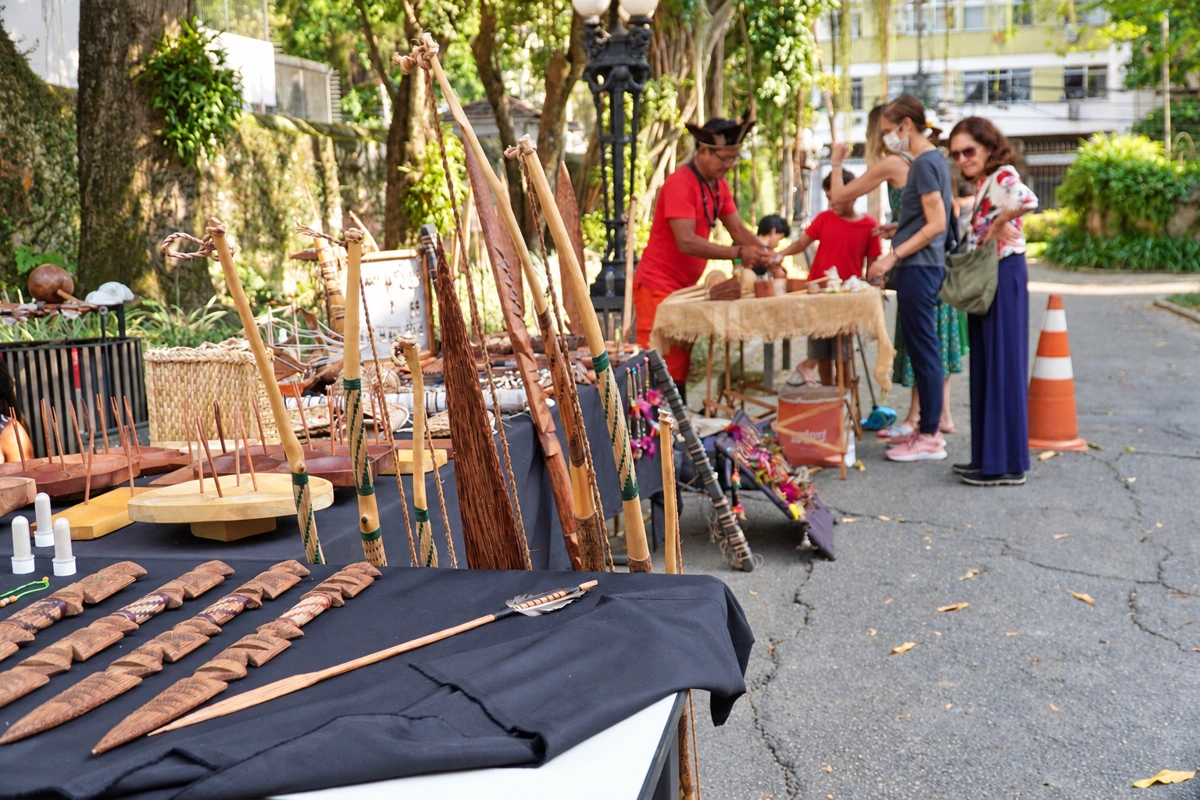
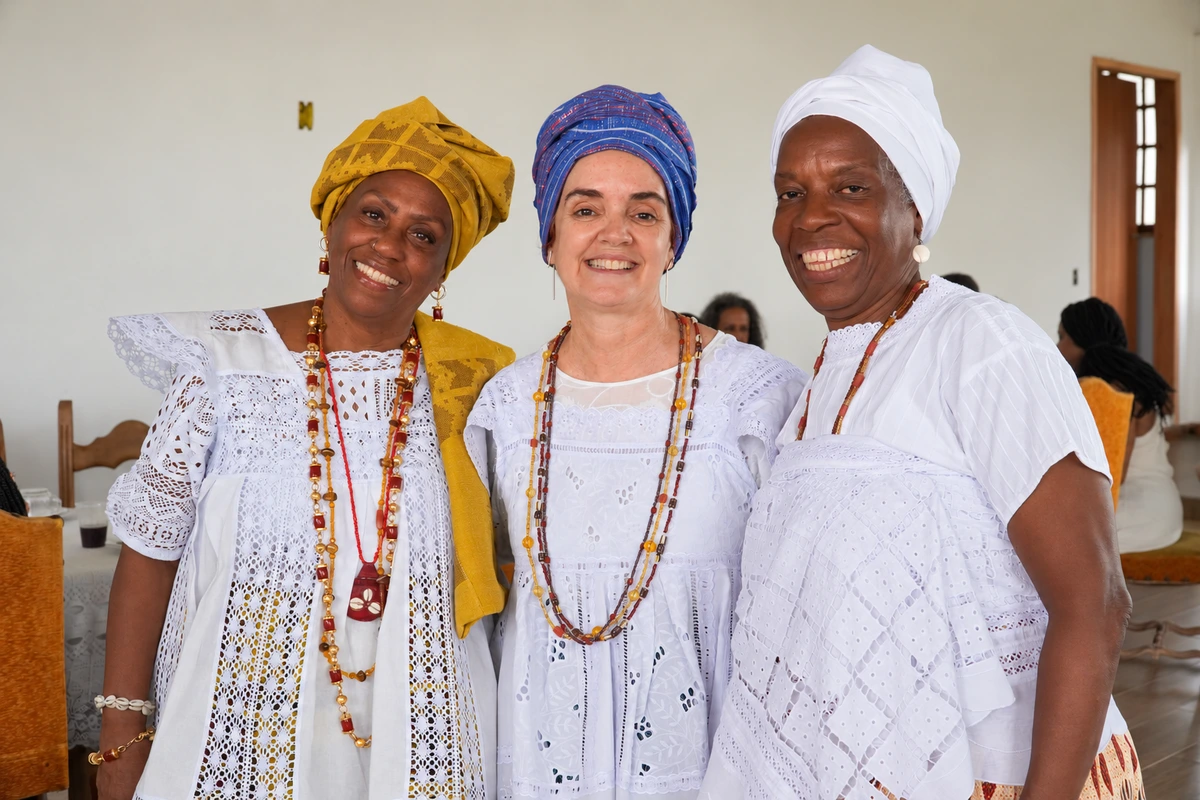
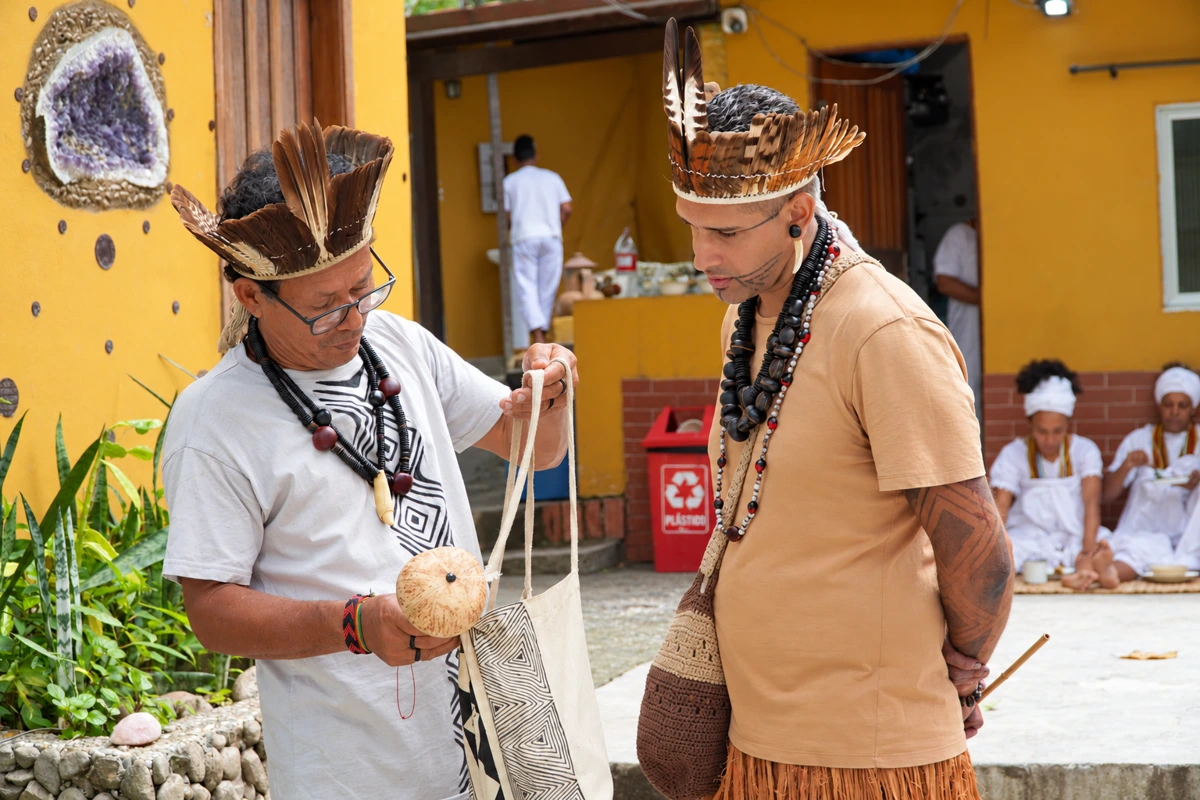
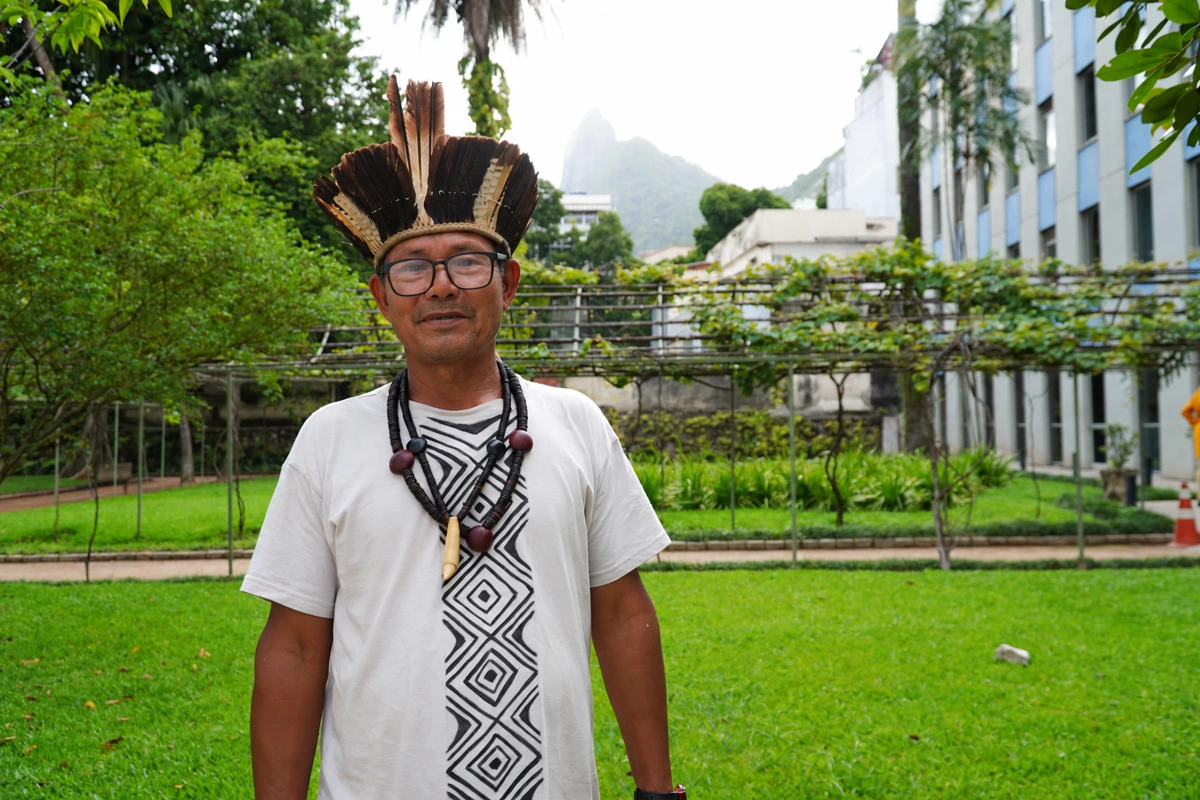
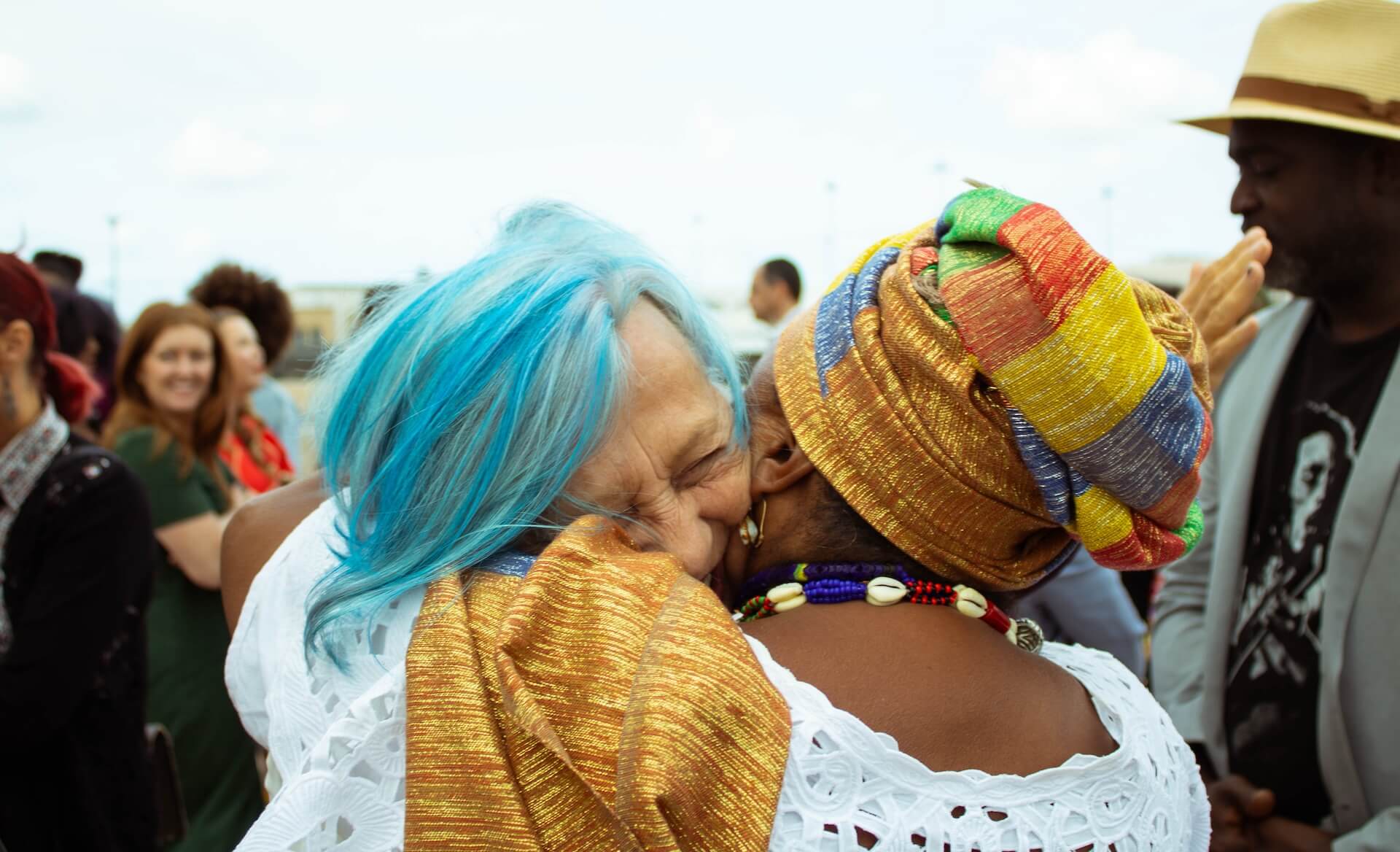
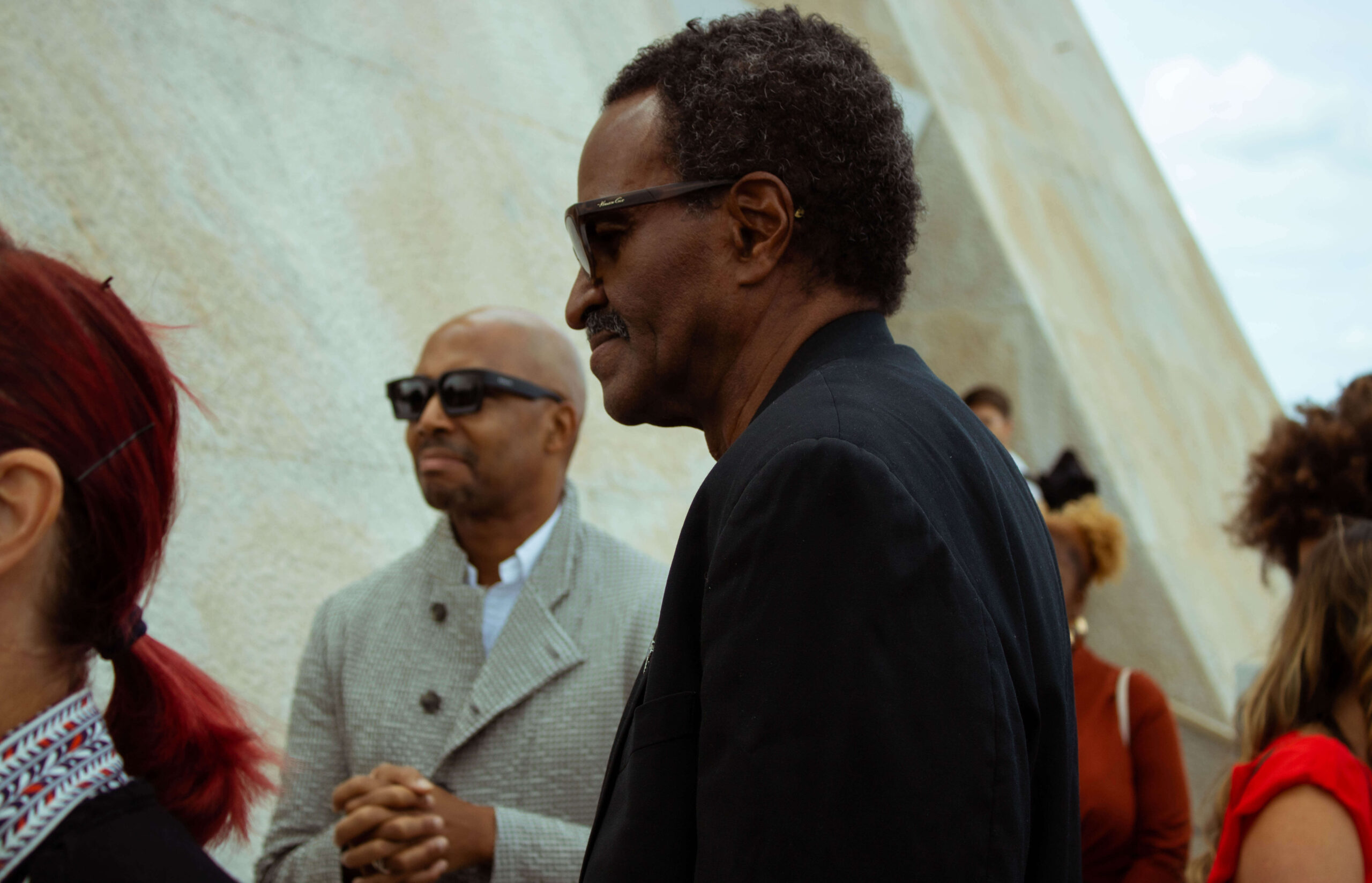
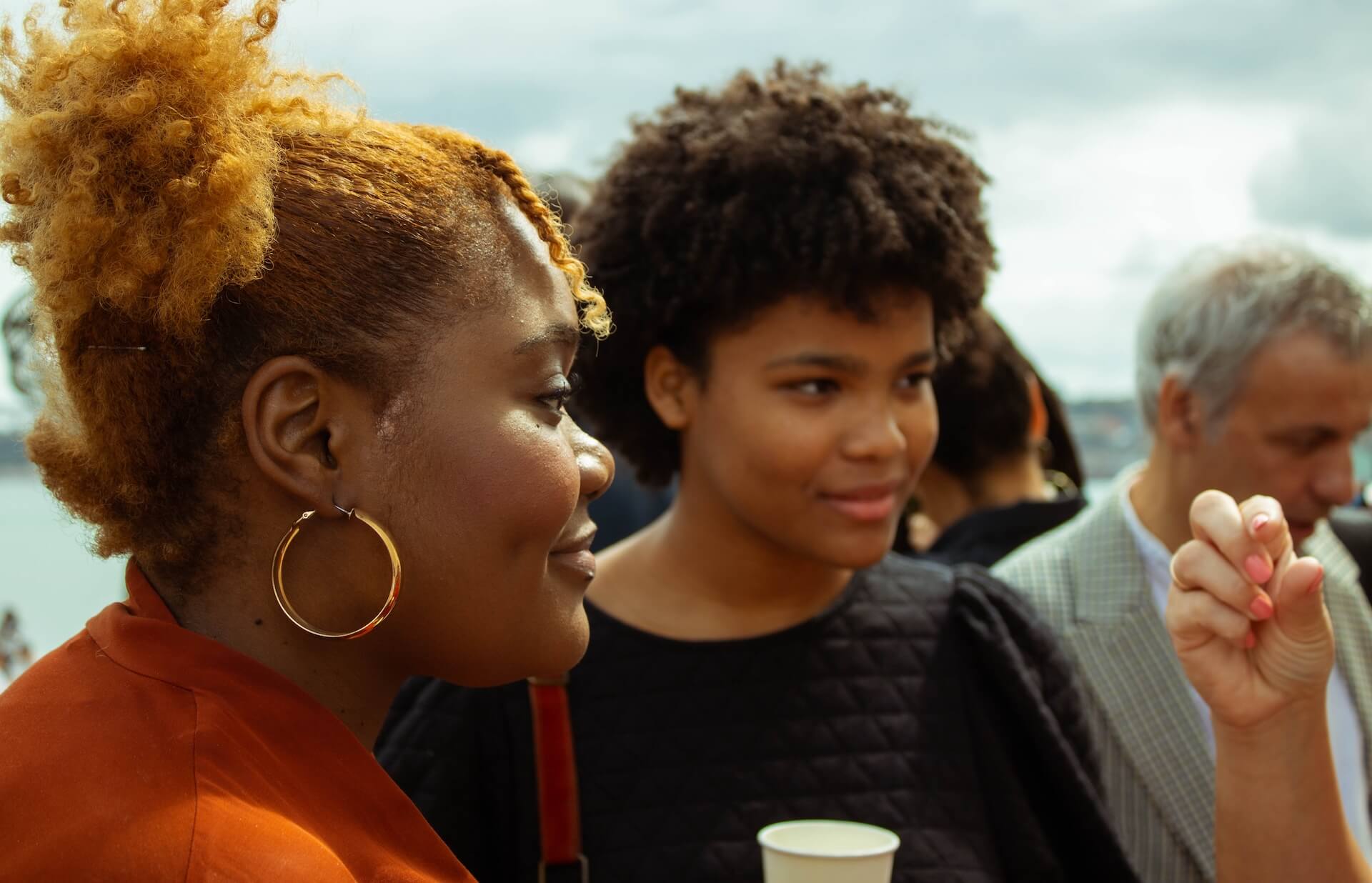
The conversations continue outdoors: culture, community and moments of connection from our Rio gatherings. These are the people and places behind the work.
Past speakers. Perspectives that stay with us.
A selection of past participants across public leadership, literature, heritage and racial justice. Their contributions reflect the range of perspectives the Summit brings into conversation. Explore the full archive for more voices and source profiles.
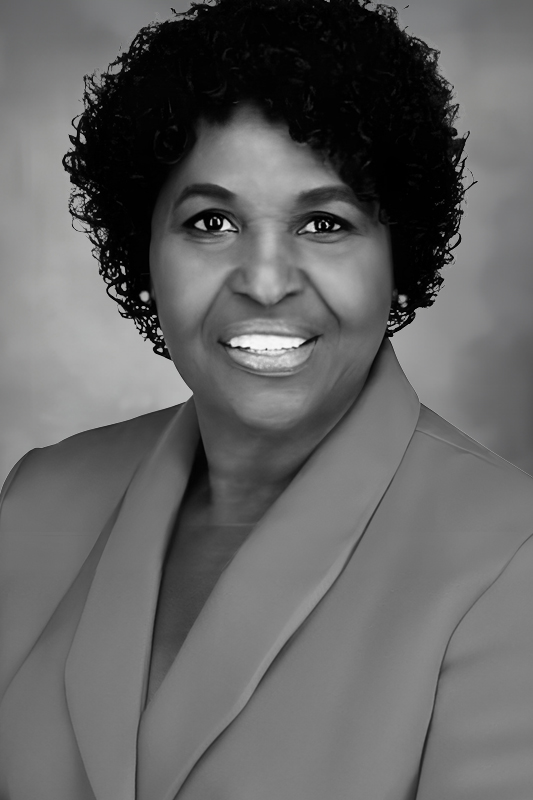
Benedita da Silva
Brazilian political leader and advocate for racial and gender equality

Conceição Evaristo
Brazilian author and poet
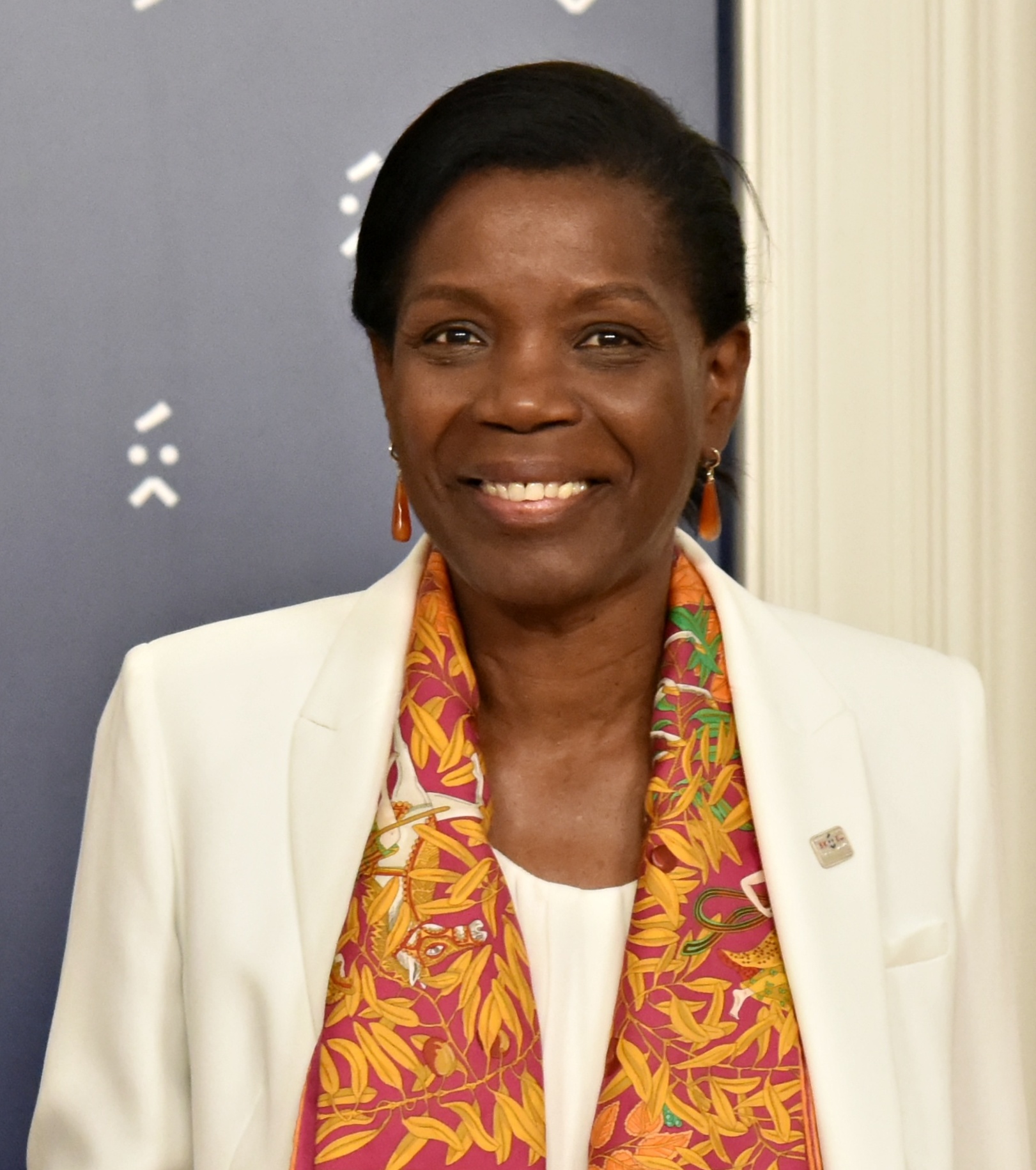
Francisca Van Dunem
Former Minister of Justice, Portugal
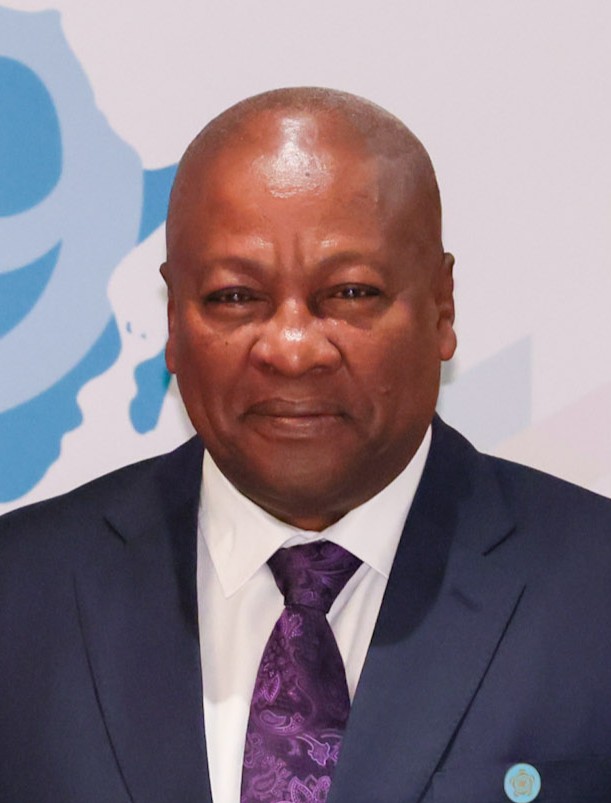
John Mahama
Ghanaian statesman and author
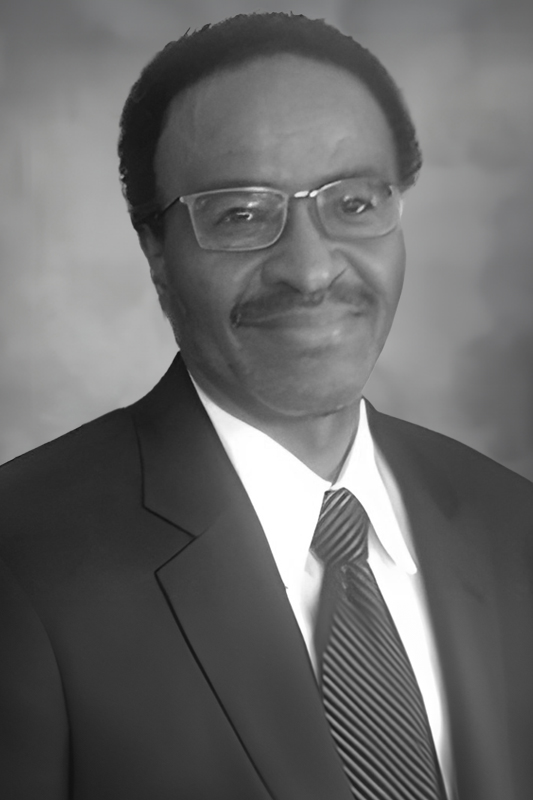
Kamau Sadiki
Maritime heritage and ocean conservation
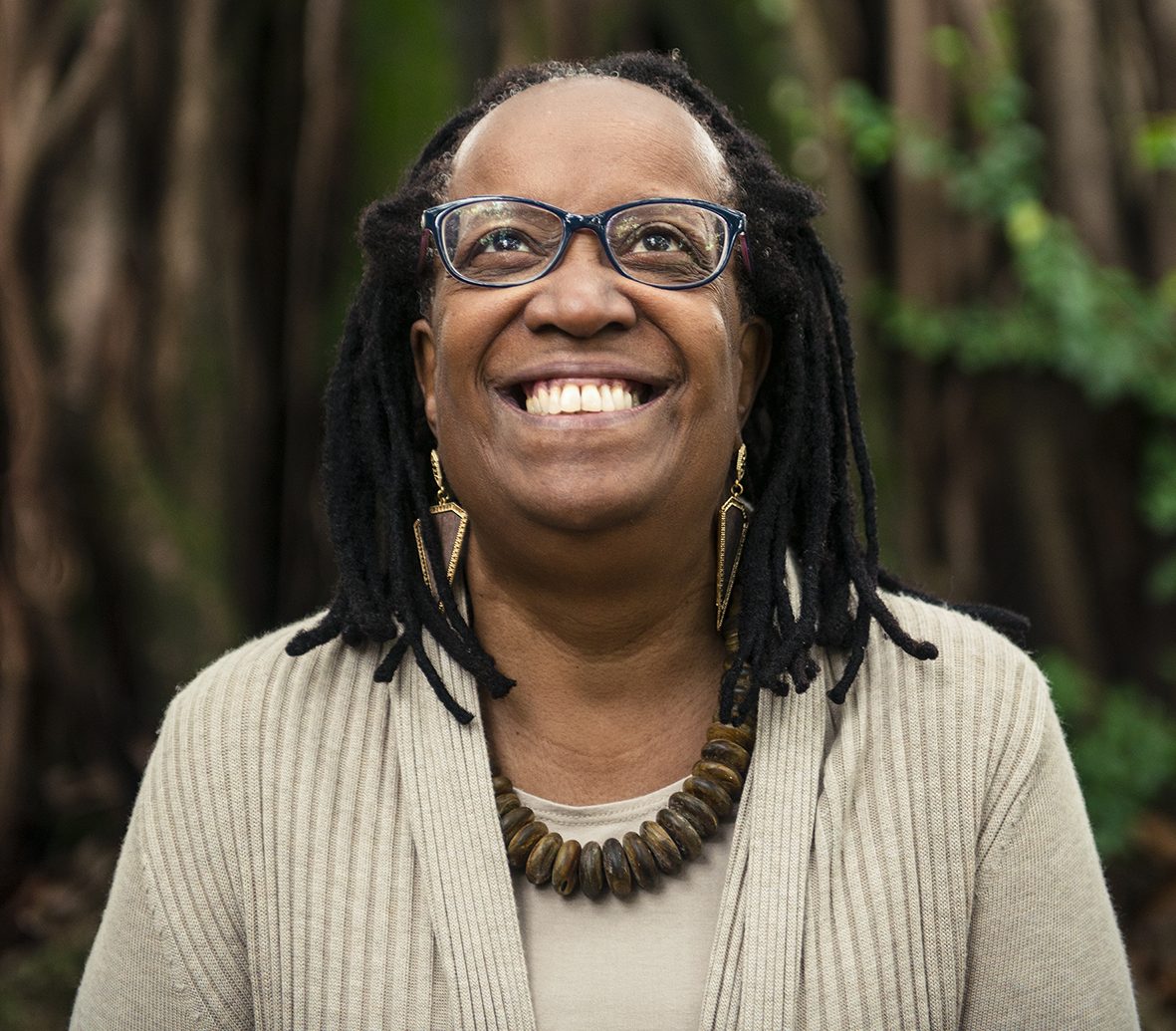
Sueli Carneiro
Philosopher and founder of Geledés
Selected past speakers, listed alphabetically by first name. The November 2027 programme will be announced separately.
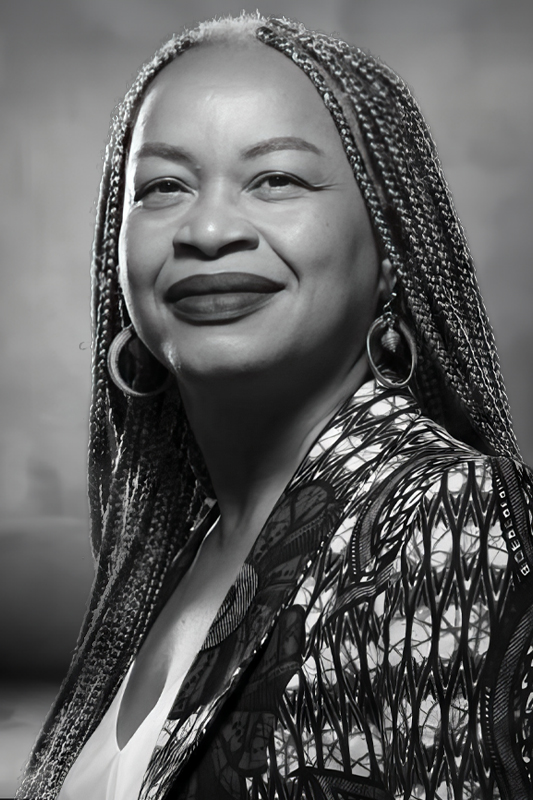
speaker
Maria Olívia Santana
Maria Olivia Santana is a Brazilian politician, activist, and teacher. From 2005 until 2012, she was
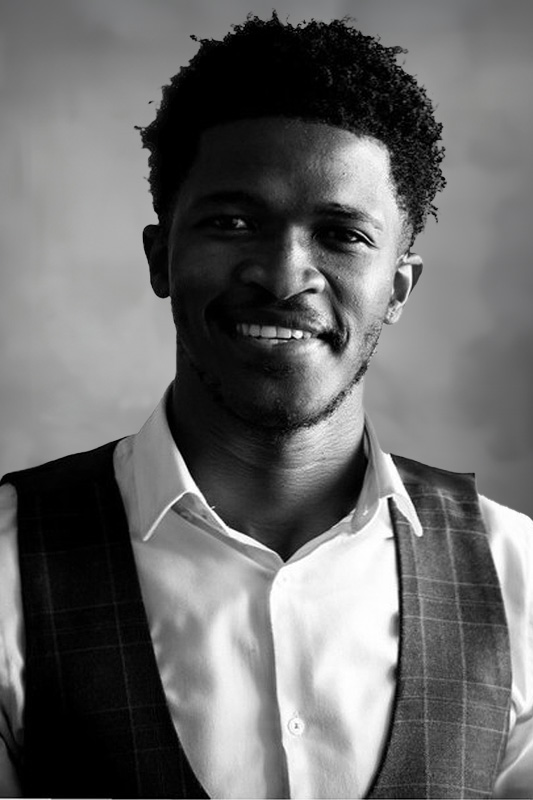
speaker
Siyabulela Mandela
Visiting Professor in Politics and International Relations Department | Conflict Resolution | Human
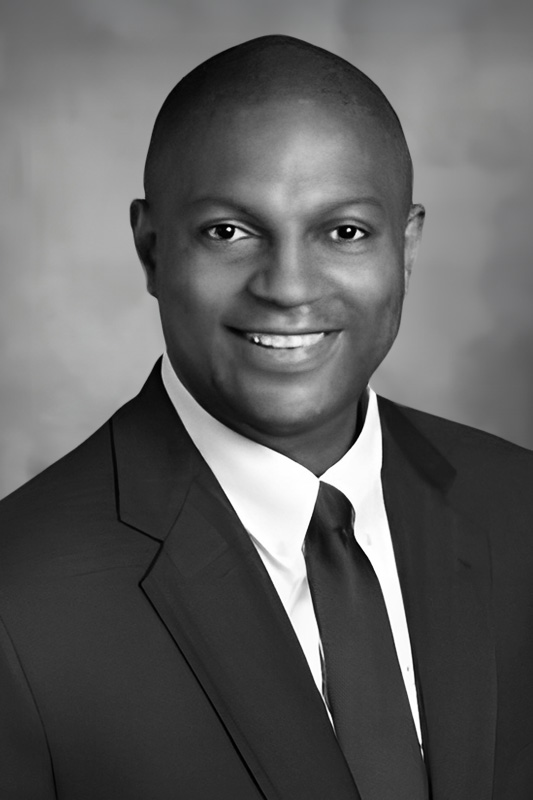
speaker
Joseph Spence
Joseph Spence started his career at NASA’s Goddard Space Flight Center, transitioned into finance,

speaker
Karimah Hudda
Karimah Hudda is a relentless optimist who ‘believes it to see it.’ Karimah knows that human ing
speaker
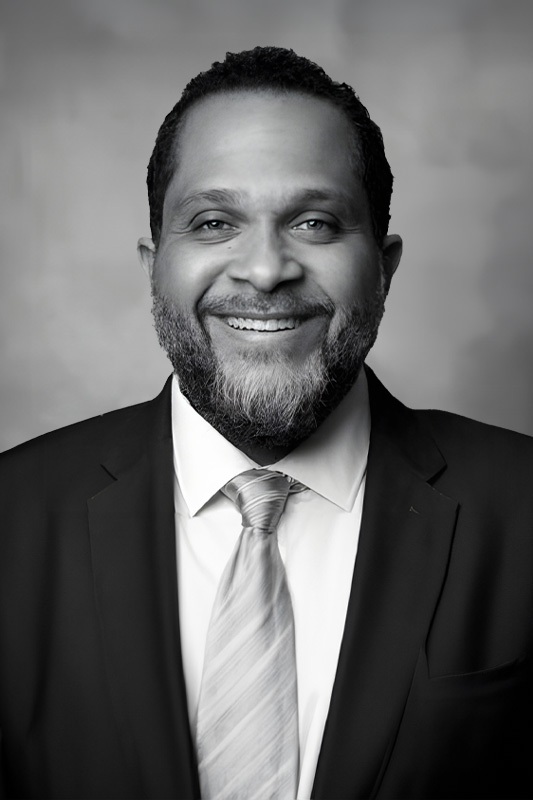
Paul Williams
As the Chief Procurement Officer at the University of California Office of the President, Paul lead
speaker
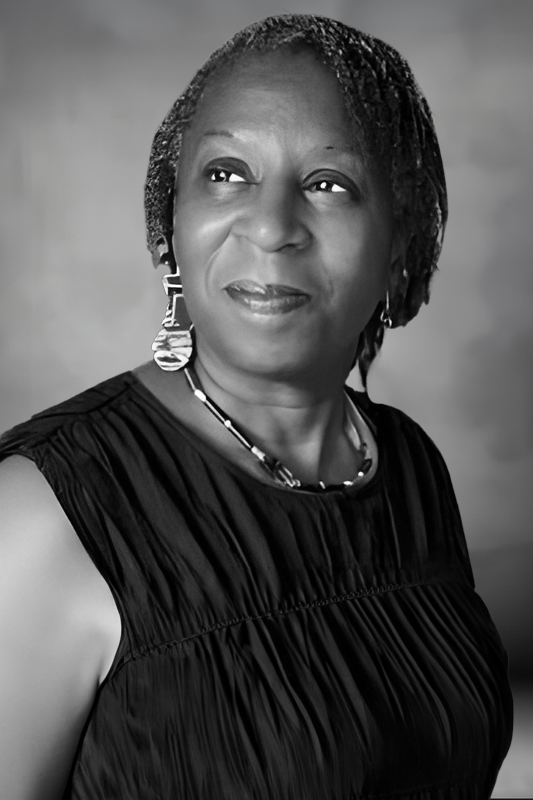
Karen Carberry
Author I Head of Family & Systemic Therapy I Humanity Summit Advisory Board Member I Fellow of AAFT
speaker
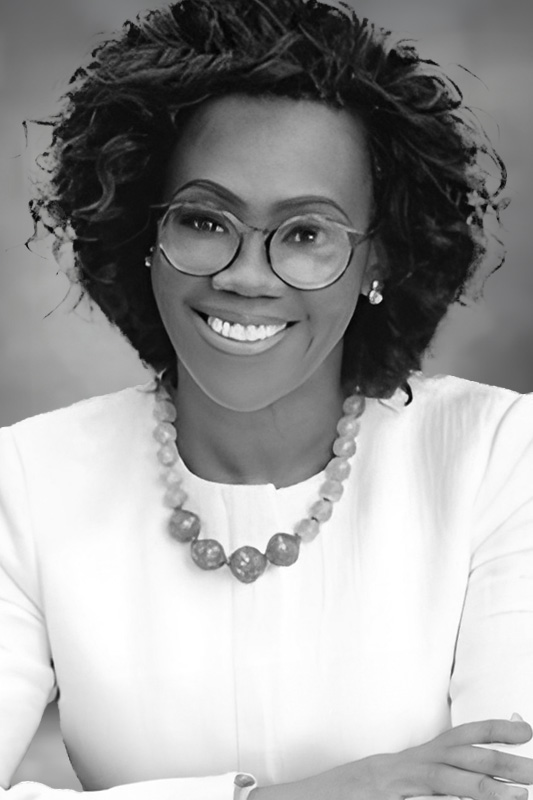
Epsy Alejandra Campbell Barr
Epsy Alejandra Campbell Barr is a Costa Rican politician and economist who served as the Vice-presid
speaker
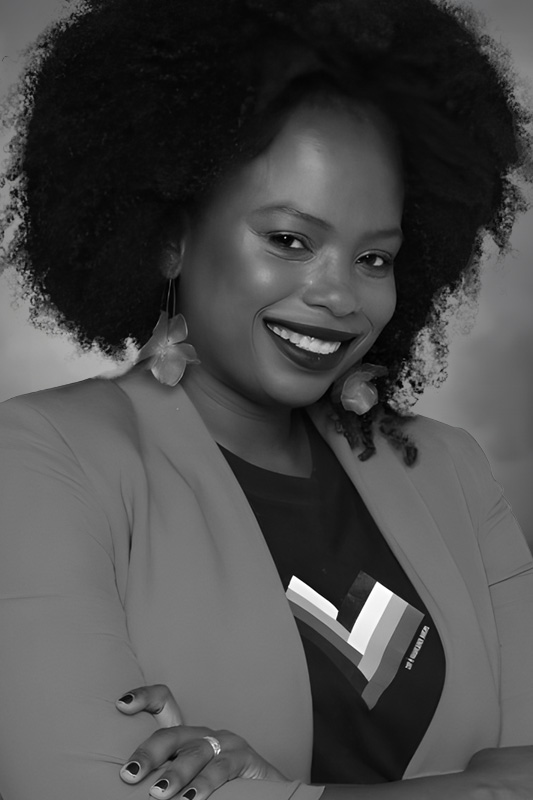
Luana Genot
Luana Souza Martins Génot is the founder and executive director of the Instituto Identidades do Bra
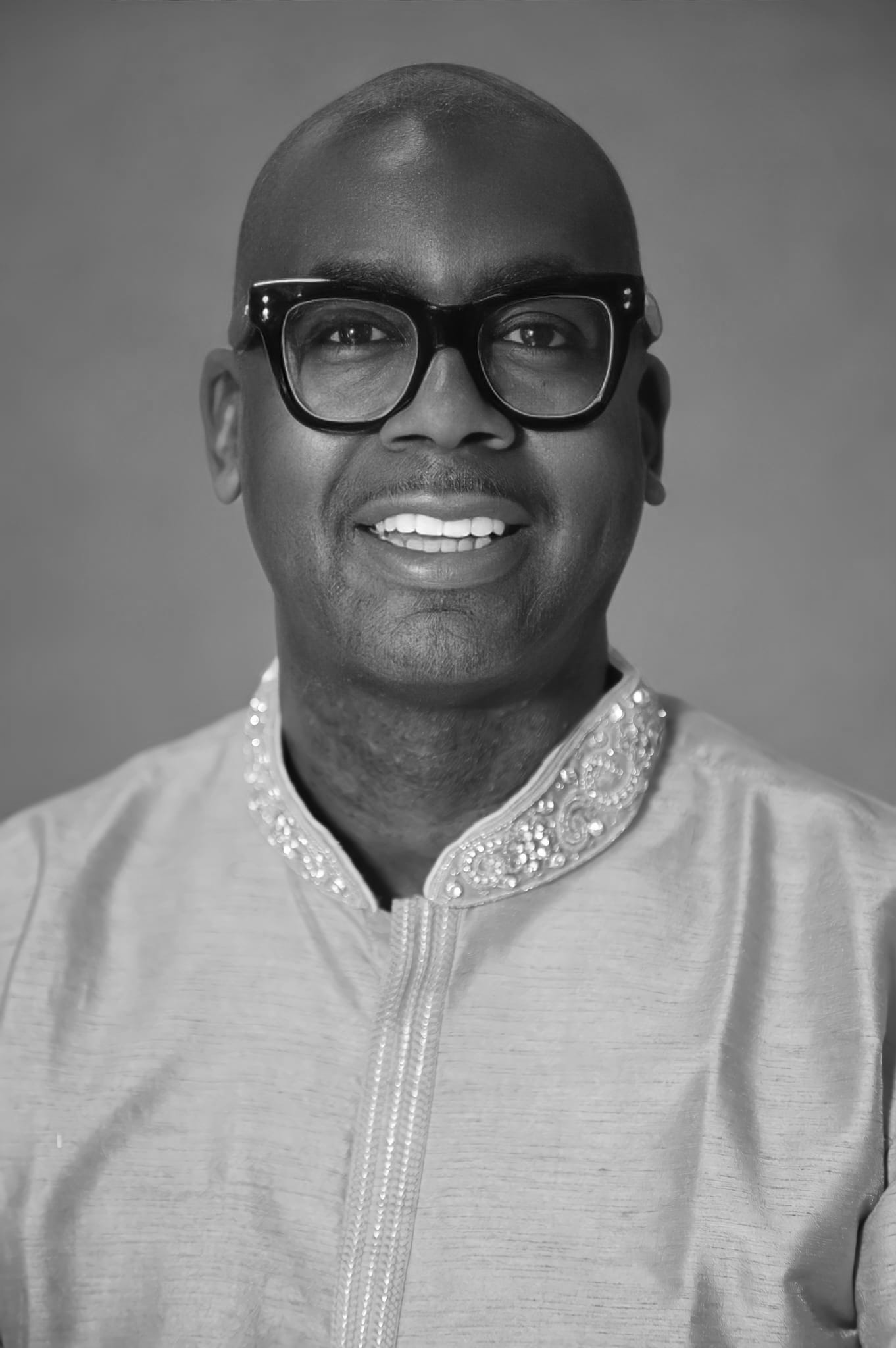
speaker
Patrick Vernon
Patrick Philip Vernon OBE is a British social commentator and political activist of Jamaican heritag
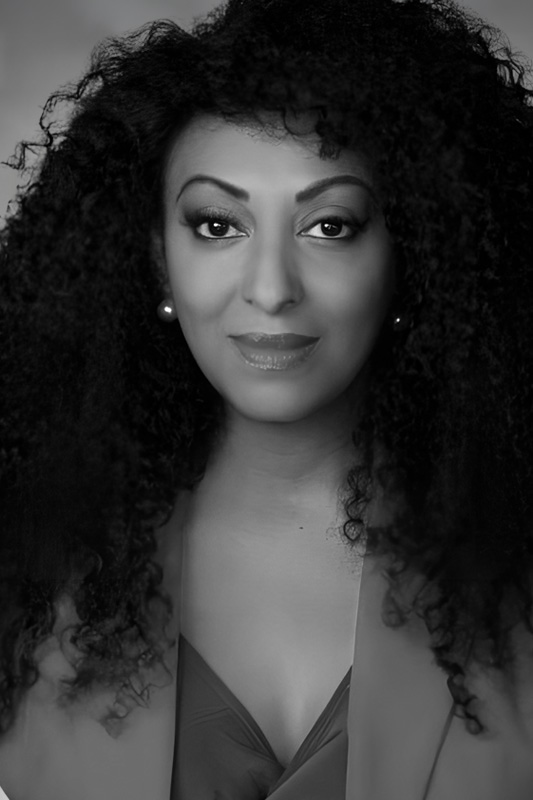
speaker
Shenia Karlsson
Shenia has over the last ten years in Psychology with a focus on diversity and free from traditional
Our work, in the media.
Reporting and interviews offer an external record of the Summit and the Pact’s public journey. Browse coverage by outlet, date and language, with links to the original sources.
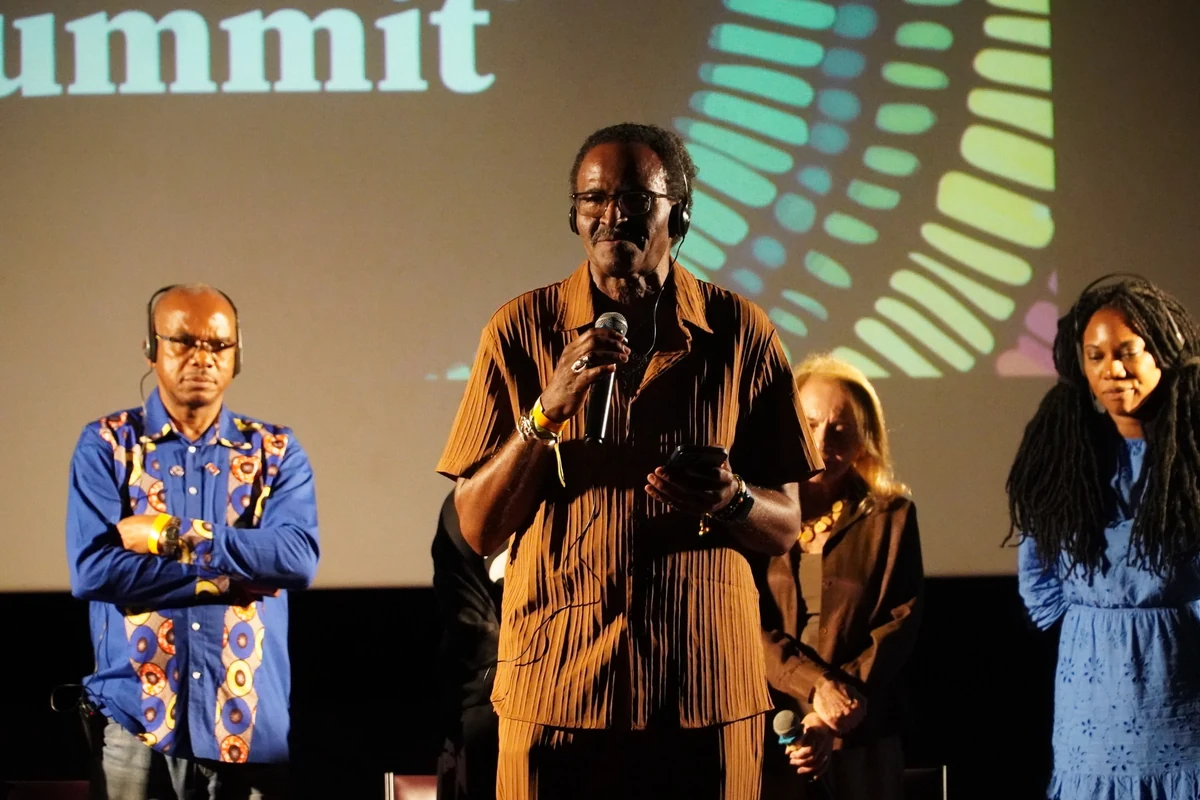
Folha de S.Paulo
Who gets a voice in global decision-making?
Myriam Taylor discusses race, gender and the Humanity Pact’s ambition to bring excluded communities into decisions around the G20.
Mundo Negro
Racial justice and reparations take the stage in Rio
Reporting on the Humanity Summit’s discussions of racial equity, cultural change and inclusive responses to global challenges.
RTP África · Rumos
A conversation with the creator of Humanity Summit
Paula Cardoso speaks with Myriam Taylor about the Summit in the final Rumos programme of 2023.
A gathering became a platform.
Rooted in African and Afro-descendant perspectives, the work has grown through dialogue across borders. The Alliance provides an institutional home for the next stage, connecting the Summit’s history to ongoing research and cooperation.

The beginnings
The first Lisbon gathering created a space for people from different worlds to meet around dignity, justice and collective possibility.
The Pact takes shape
Contributors across 45 countries helped transform dialogue into a shared blueprint for action.
Rio de Janeiro
The Humanity Pact entered the G20 Social ecosystem and a wider global conversation about justice and human progress.
Policy contributions
The Think Tank developed papers for the G20 South Africa cycle on the Humanity Index, hope, digital sovereignty and justice-centred finance.
The Alliance
An independent institutional home was established in the United States to carry the work forward with a global purpose.
California
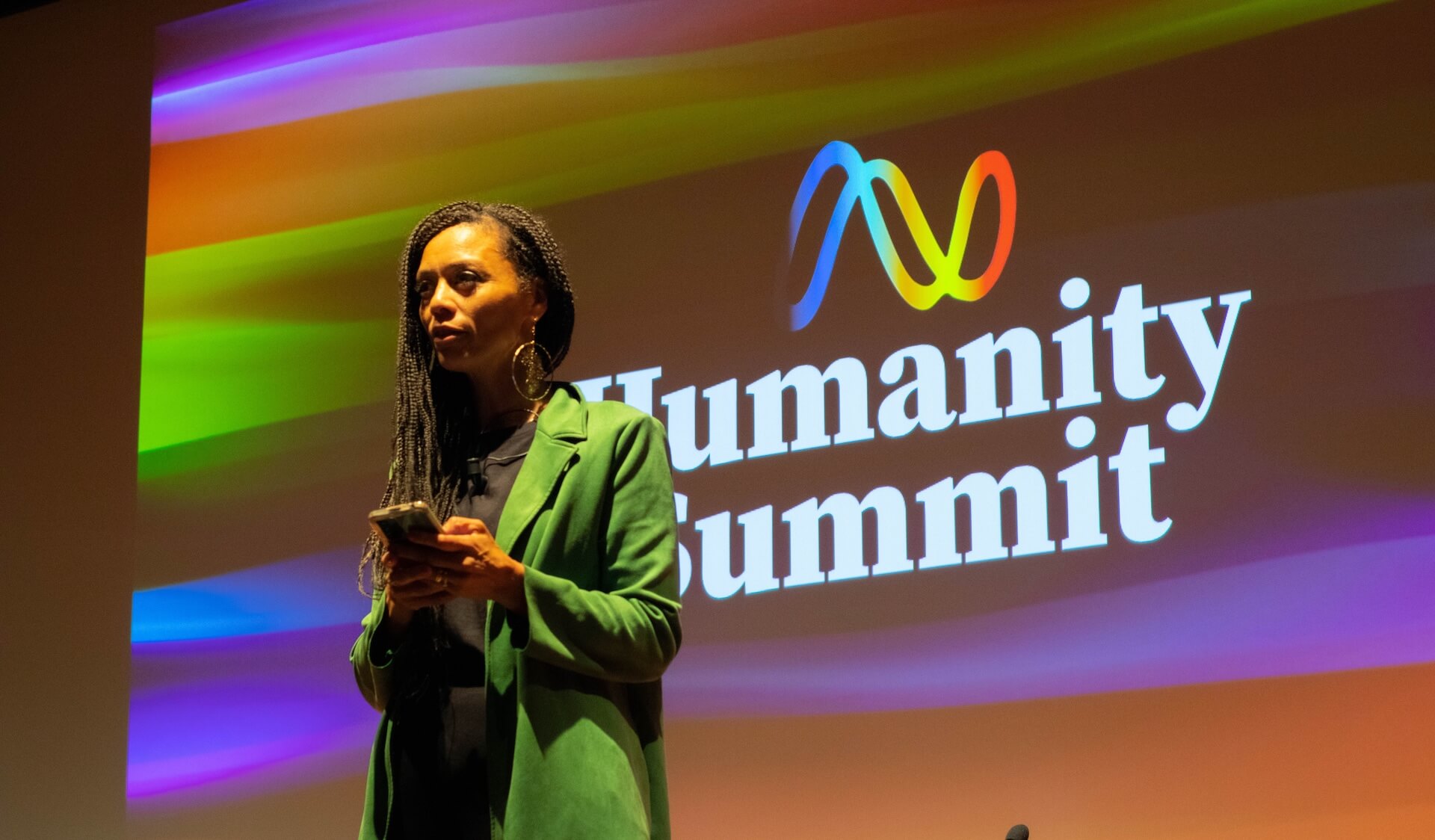
The next Humanity Summit will bring the Alliance’s connected work into a new global gathering.

Join us.
Your voice, your support, your curiosity.
Find your place in the conversation.
Speakers
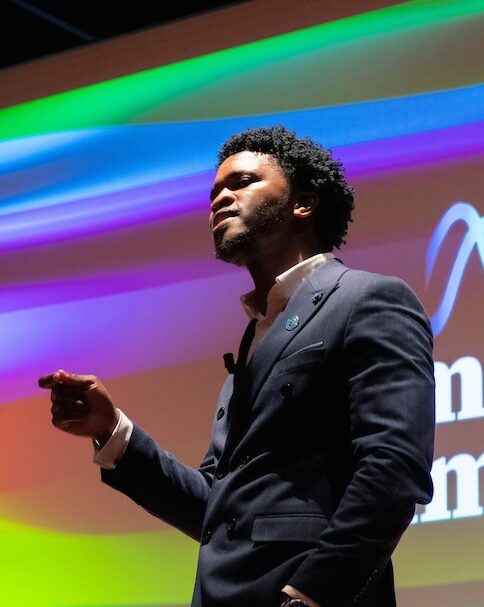
Bring a perspective that moves the conversation forward. Share your expertise, lived experience or a proposed session.
Sponsors
Help make meaningful participation possible. Support the Summit, public conversations or a defined programme.
Newsletter
Stay close to the work. Receive Summit announcements, new research and opportunities to take part.